
Hardware, software and AI for care environments
An intelligent layer that senses, understands and adapts the care environment to each patient’s needs. It has four parts: devices in the room, an IoT system that connects them, software for the care team and an AI engine that orchestrates it all.
Let’s talk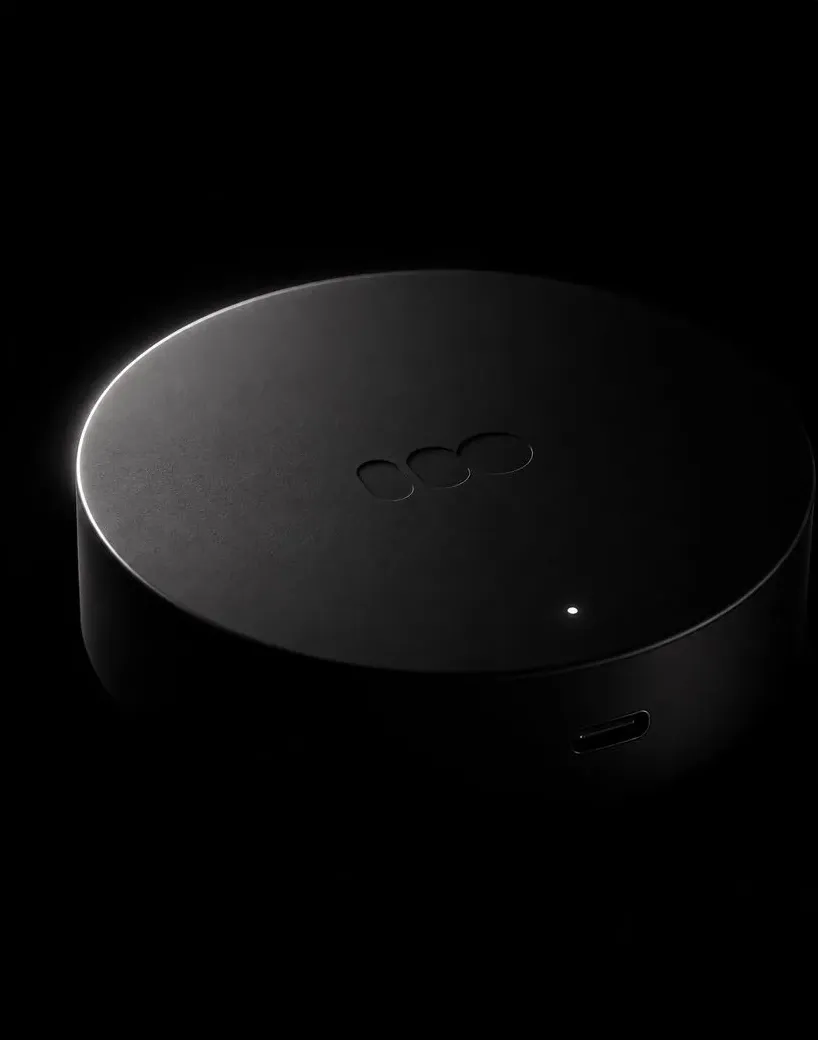
Devices designed for the patient room
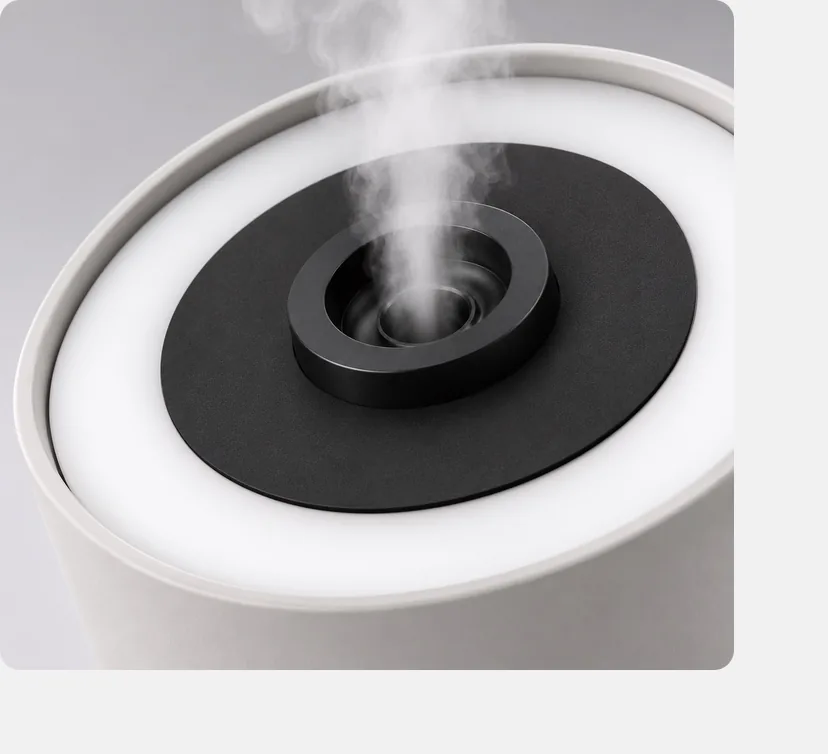
A sensor hub picks up the room’s light, sound and air. Alongside it, the devices create the sensory experience: circadian light that moves from bright morning tones to warm evening ones, speakers for soundscapes and a low-intensity aroma diffuser.
The first working prototype was built in four weeks, in April 2026, and is the base we are iterating on towards the final product.
- Light
- 2700 K · 300 lux
- Sound
- 38 dB
- Scent
- 0.4 ppm
Sample readings
Every room, connected to the ward
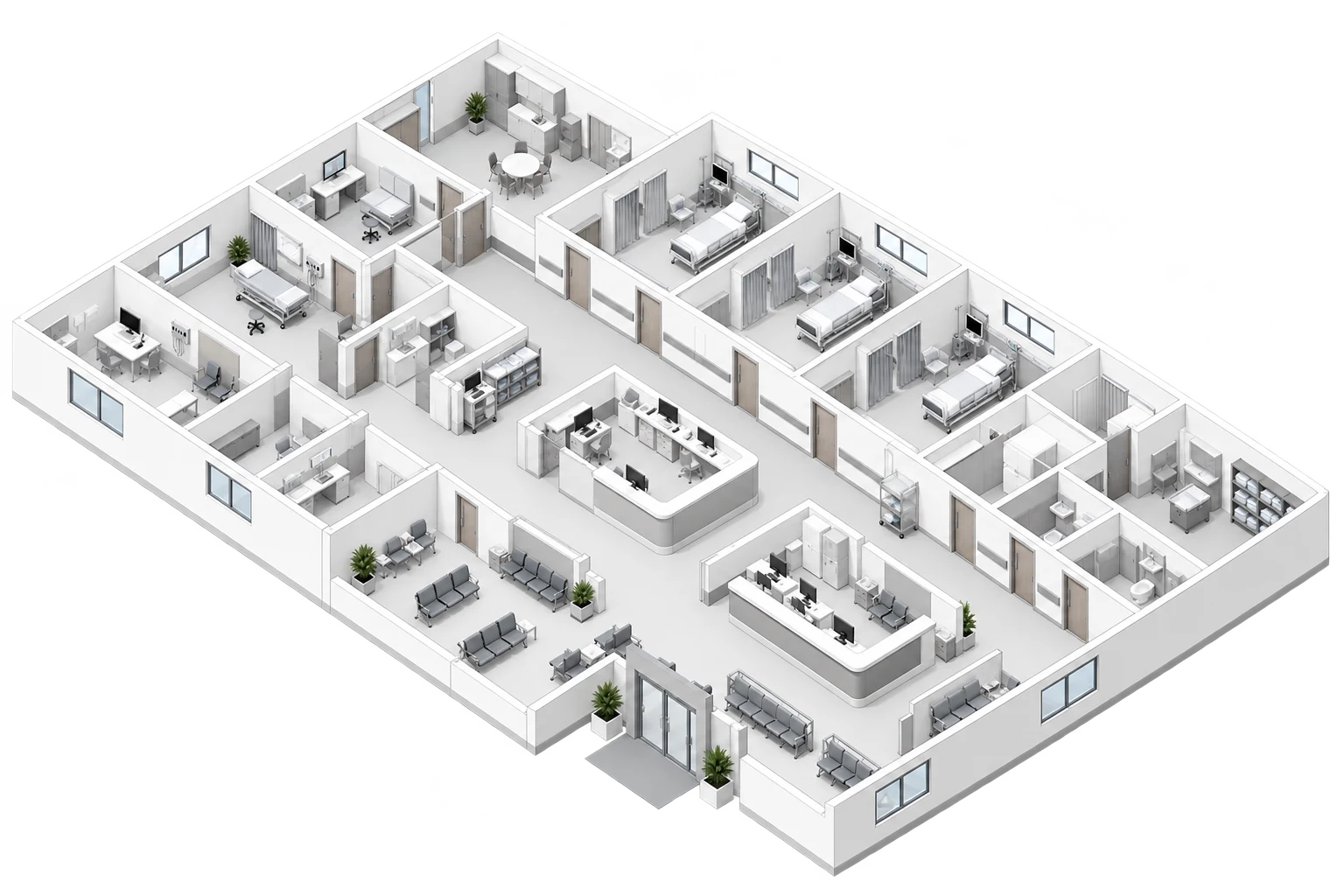
The devices in every room and common space connect to each other and to the platform. Readings arrive in real time and are aggregated by room and by ward.
That way the environment of the whole unit can be followed from one place, and every change is recorded to understand how it evolves.
A dashboard for every shift
The care-team dashboard shows each room’s status: how light, sound and air are evolving, which noise peaks have occurred and which sensory protocol is running.
Protocols, from night-time sleep to calm before a procedure or a gentle morning wake-up, adapt to each person’s preferences.
See the sensory protocols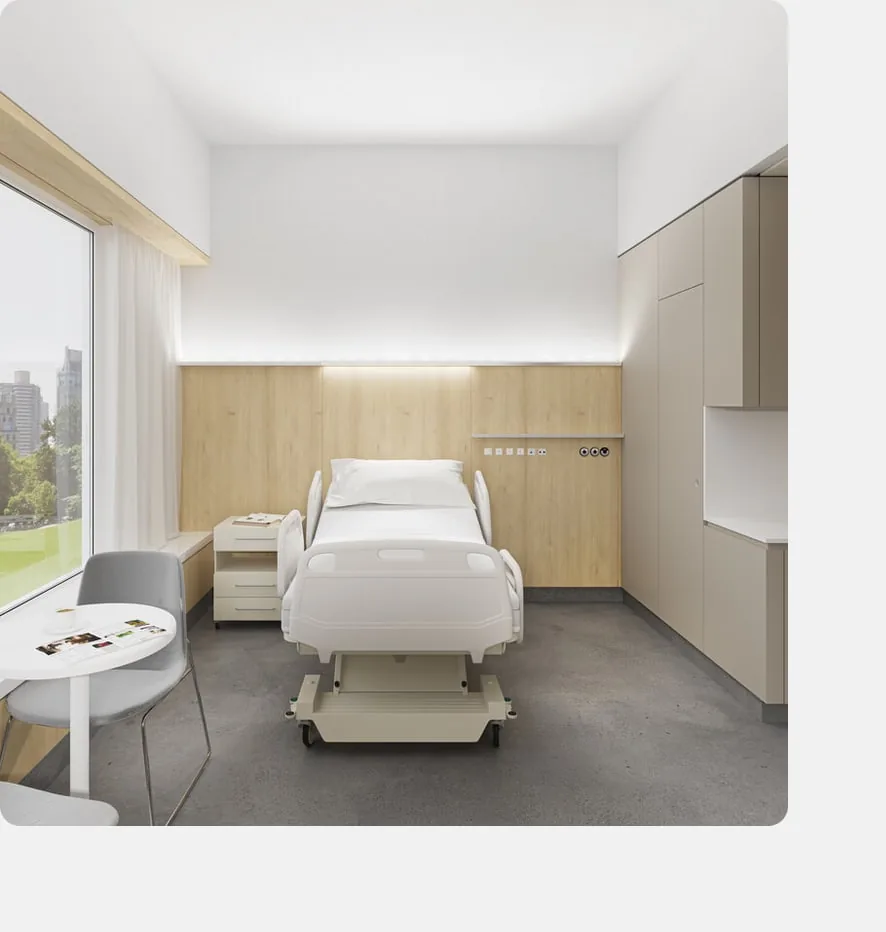
Sense, understand, anticipate, act
- 01
Sense
Continuously picks up signals from the patient, the environment and the context.
- 02
Understand
Interprets the data in real time to understand each care situation.
- 03
Anticipate
Spots patterns and foresees needs before discomfort builds up.
- 04
Act
Autonomously creates sensory experiences tailored to each care need.
Frequently asked questions
What data does NeumaCare collect?
Environmental data, such as light, sound, temperature and air, plus signals from the patient and the care context, which the AI engine interprets to adapt the environment to each situation.
What stage of development is it at?
NeumaCare built its first working hardware prototype in 2026 and has already run its first usability test in a real hospital setting, at Hospital Althaia in Manresa. We are now working on refinement, scalability and integrating the software layer.
Who is behind the technology?
An interdisciplinary team of clinicians, engineers and designers. Hardware development has been led by Ferran Amat, a telecommunications engineer specialising in systems, with a master’s degree in biomedicine.
Further reading
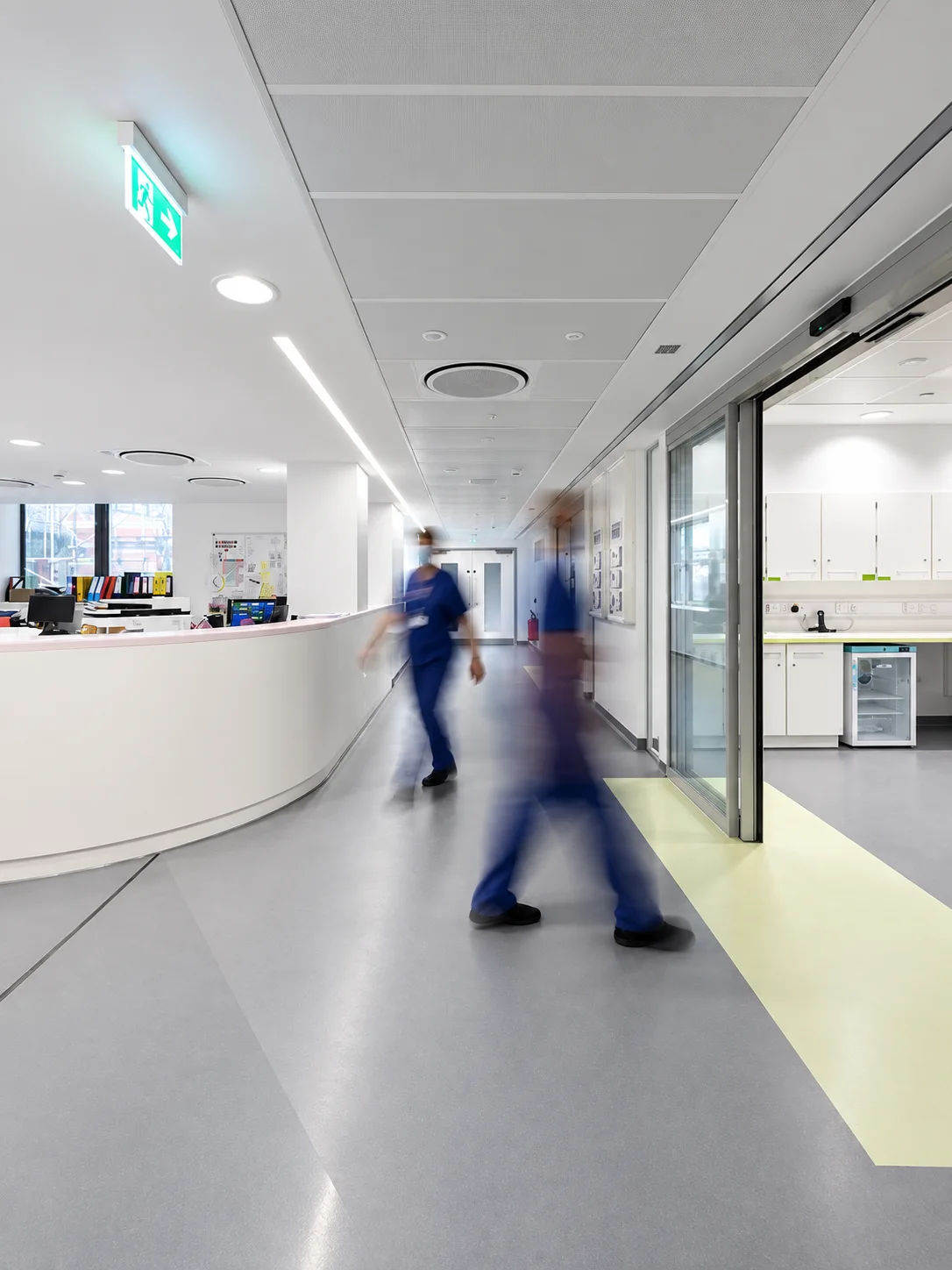 Research & insightsAmbient intelligence in hospitals: can the environment anticipate patient needs?
 Research & insightsCalm is personal: how to tailor sensory interventions safely
 Research & insightsMeasuring invisible distress: practical indicators of wellbeing in hospitals
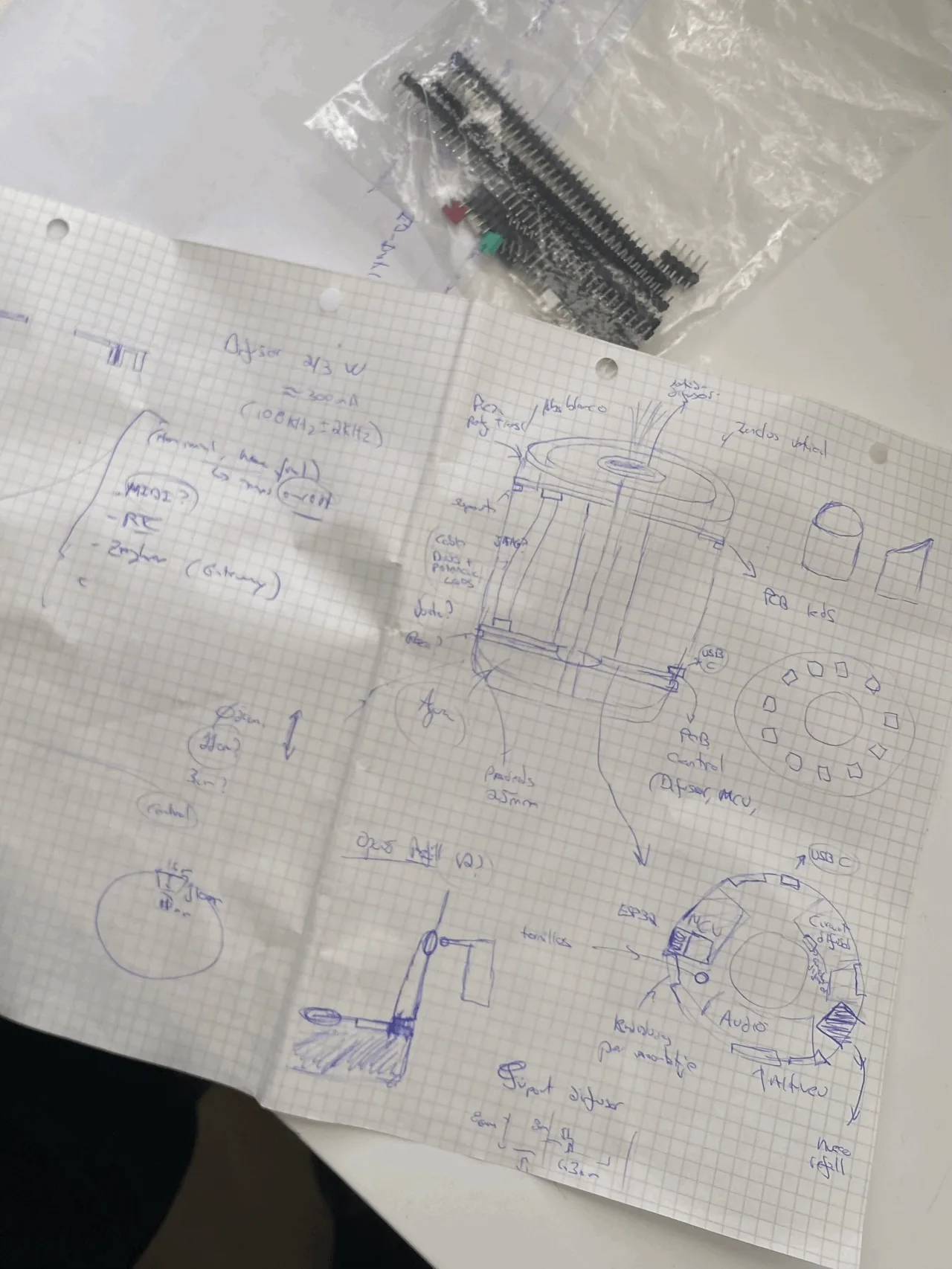 News & MediaFirst hardware POC built in four weeks — a key milestone in our engineering journey
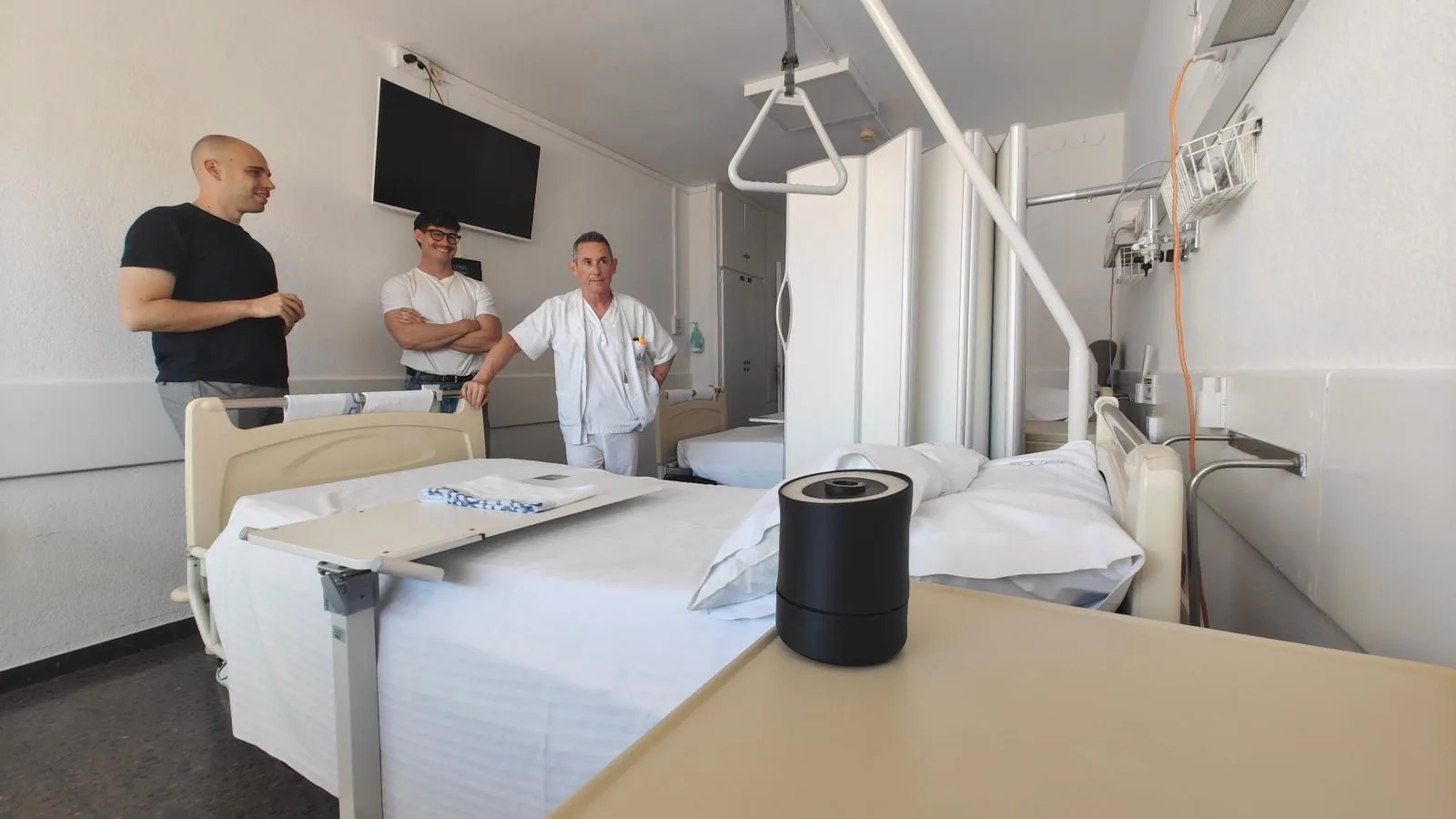 News & MediaNeumaCare's first real-world usability test — at Hospital Althaia in Manresa
 News & MediaAI and the future of human-centered care — NeumaCare at ACEB Berguedà
Want a closer look at the technology?
We’ll show you how it works and how it fits into your centre.
Let’s talk