Calm is personal: how to tailor sensory interventions safely
One person’s comforting song may be another person’s unwanted noise. Personalisation is not simply offering a menu: it means setting a goal, screening for risk, observing the response and making it easy to stop.

A favourite song may be reassuring, but it can also unlock a painful memory. Dim light may support rest or increase disorientation. A scent one person enjoys may trigger nausea, migraine or breathing difficulties in someone else.
“Relaxing” is not a fixed property of an input. The response depends on the person, the clinical moment, intensity, duration and context. Personalisation is therefore not about discovering a perfect sensory recipe. It is about making each intervention voluntary, gradual, reversible and observable.
There is no universally calming stimulus
Studies of music, light and scent tend to report average effects. Those findings may show that an intervention helps some people in certain settings, while concealing substantial differences between individuals.
A 2025 review of music therapy for anxiety identified potential benefit alongside variation in populations, interventions and outcomes. A clinical aromatherapy review also found encouraging signals, but products, doses and protocols differed widely.
The responsible conclusion is not “music relaxes people” or “lavender reduces anxiety”. It is: this intervention may be acceptable and helpful for this person, at this time, if the response is checked and safeguards remain in place.
Personalisation is more than choosing a playlist
Safe personalisation covers at least:
- a specific aim, such as easing distress before a procedure or supporting sleep;
- preferences and aversions, including the choice to receive no added stimulus;
- clinical history and monitoring needs;
- intensity, duration, timing and route;
- a comparable measure before and after;
- stop criteria and a named person able to respond.
Preferences are not permanent. Something welcome yesterday may be intolerable today because of pain, fever, fatigue, medication or confusion. Initial consent does not replace ongoing observation or the right to change one’s mind.
Different modalities require different safeguards
Sound and music
Start at low volume, use limited periods and keep controls accessible. Ask about tinnitus, hyperacusis, migraine, hearing loss, hearing aids and negative emotional associations. Sound or headphones must never prevent a patient from hearing staff, calling for help or detecting necessary alarms.
A personalised playlist may support care, but it should not be labelled music therapy unless it is a clinical intervention delivered by an appropriately qualified professional.
Light
Adaptive ambient lighting is not the same as bright light therapy, which has a specific intensity, schedule, indication and monitoring plan. Avoid flicker, glare and abrupt transitions, and consider photophobia, migraine, eye disease, photosensitive epilepsy and photosensitising medicines.
For bipolar disorder, ISBD recommendations call for mood monitoring and advise against bright light therapy in situations such as mania, recent hypomania or rapid cycling. These cautions should not be transferred indiscriminately to every ambient lighting change, but they show why “more light” is not a universal prescription.
Scent
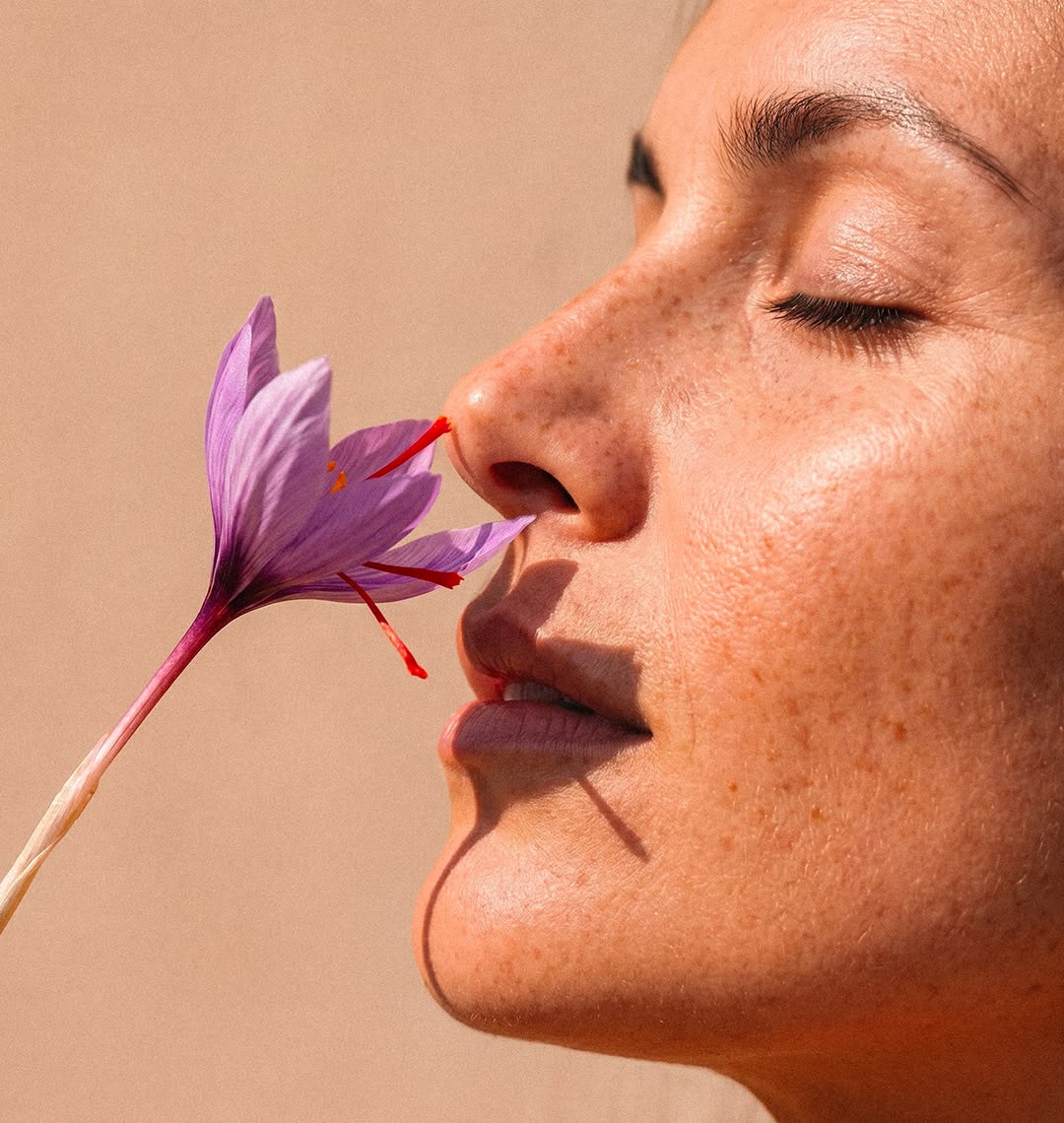
“Natural” does not mean harmless. Screen for asthma, allergy, migraine, nausea, sensitivity and aversion. Record the product, concentration, route and duration. Cough, wheeze, breathlessness, headache, irritation or nausea are reasons to stop exposure and assess the person.
In a shared room, diffusing a scent also exposes patients, visitors and staff who did not choose it. Consent and control over exposure are essential, not optional refinements.
Neurodivergence: ask rather than assume
There is no single autistic sensory profile. A person may be highly sensitive to one sound, seek other input and respond differently when tired or uncertain. A lack of protest, limited eye contact or an unfamiliar communication style must not be read as calm or consent.
Asking what helps and what hurts, preparing people for changes, explaining before touch and offering written information may be more useful than assigning an automated “profile”. Where appropriate, a supporter can facilitate communication without replacing the patient’s voice.
A seven-step safety loop
- Set the aim. What should become easier, and over what period?
- Run a brief screen. Preferences, aversions, risks and ability to signal distress.
- Make one change. Low intensity, time limited and easy to reverse.
- Measure the response. Use the same comfort, anxiety, pain or agitation measure before and after.
- Record the actual dose. Content, intensity, timing, duration and incidents.
- Decide together. Continue, adjust or remove the intervention.
- Preserve human control. Automation must never override a stop signal or obstruct care.
Improvement after one attempt is consistent with benefit, but it does not prove causation. Pain, medication or ward activity may also have changed. Planned repeated comparisons can support learning; trying something once is not an N-of-1 trial.
Sometimes the best intervention is no added input
Personalisation includes recognising when quiet, stable lighting or removing a scent is the better choice. Adaptive technology should enable that decision, document the response and always provide a clear human override.
This links personalisation to preventing sensory overload: the goal is not to add inputs, but to shape the environment around the person and the clinical situation.
NeumaCare is developing this approach to adapt care environments while preserving human control. If your organisation wants to explore a pilot with clear inclusion, stop and safety criteria, get in touch.
Frequently asked questions
If a patient likes a stimulus, does that make it safe?
Not necessarily. Acceptability matters, but so do intensity, duration, clinical status, respiratory or neurological risk and any interference with alarms, communication or rest.
How can we tell whether personalisation works?
Define an aim and measure the same outcome before and after, alongside adverse effects. A single response can guide care, but it cannot establish a broad or lasting clinical benefit.
Can music, light and scent be combined?
Only when there is a rationale, consent and a safe protocol. For an initial trial, changing one element at a time usually makes it easier to identify what helps, what harms and what should stop.
Can sensory interventions replace medication or treatment?
No. They are complementary supports for comfort. They must not delay assessment, replace indicated treatment or turn medication reduction into an automatic goal.
Sources and further scientific reading
- de Witte M et al. (2025). Music therapy for the treatment of anxiety: a systematic review with multilevel meta-analyses. eClinicalMedicine.
- Chlan LL et al. (2013). Effects of patient-directed music intervention on anxiety and sedative exposure in critically ill patients receiving mechanical ventilatory support. JAMA.
- Hedigan F, Sheridan H, Sasse A. (2023). Benefit of inhalation aromatherapy as a complementary treatment for stress and anxiety in a clinical setting: a systematic review. Complementary Therapies in Clinical Practice.
- Posadzki P, Alotaibi A, Ernst E. (2012). Adverse effects of aromatherapy: a systematic review of case reports and case series. International Journal of Risk & Safety in Medicine.
- Caimmi D, Neukirch C, Demoly P. (2022). Essential oils: what is the clinical tolerance in asthmatic patients?. Journal of Asthma.
- Geoffroy PA et al. (2025). Light therapy for bipolar disorders: clinical recommendations from the ISBD Chronobiology and Chronotherapy Task Force. Dialogues in Clinical Neuroscience.
- Artemenko AR et al. (2022). Migraine and light: a narrative review. Headache.
- Strömberg M et al. (2022). Experiences of sensory overload and communication barriers by autistic adults in health care settings. Autism in Adulthood.
- Bach TA, Berglund LM, Turk E. (2018). Managing alarm systems for quality and safety in the hospital setting. BMJ Open Quality.
- Samuel JP, Wootton SH, Tyson JE. (2023). N-of-1 trials: the epitome of personalized medicine?. Journal of Clinical and Translational Science.