The Invisible Power of Scent: What Does Science Say About Aromatherapy in Hospitals?
A scent can bring back a memory, create calm or feel deeply unpleasant. But can it also play a part in caring for people in hospital? We look at what we know about aromatherapy, anxiety, rest and clinical safety.
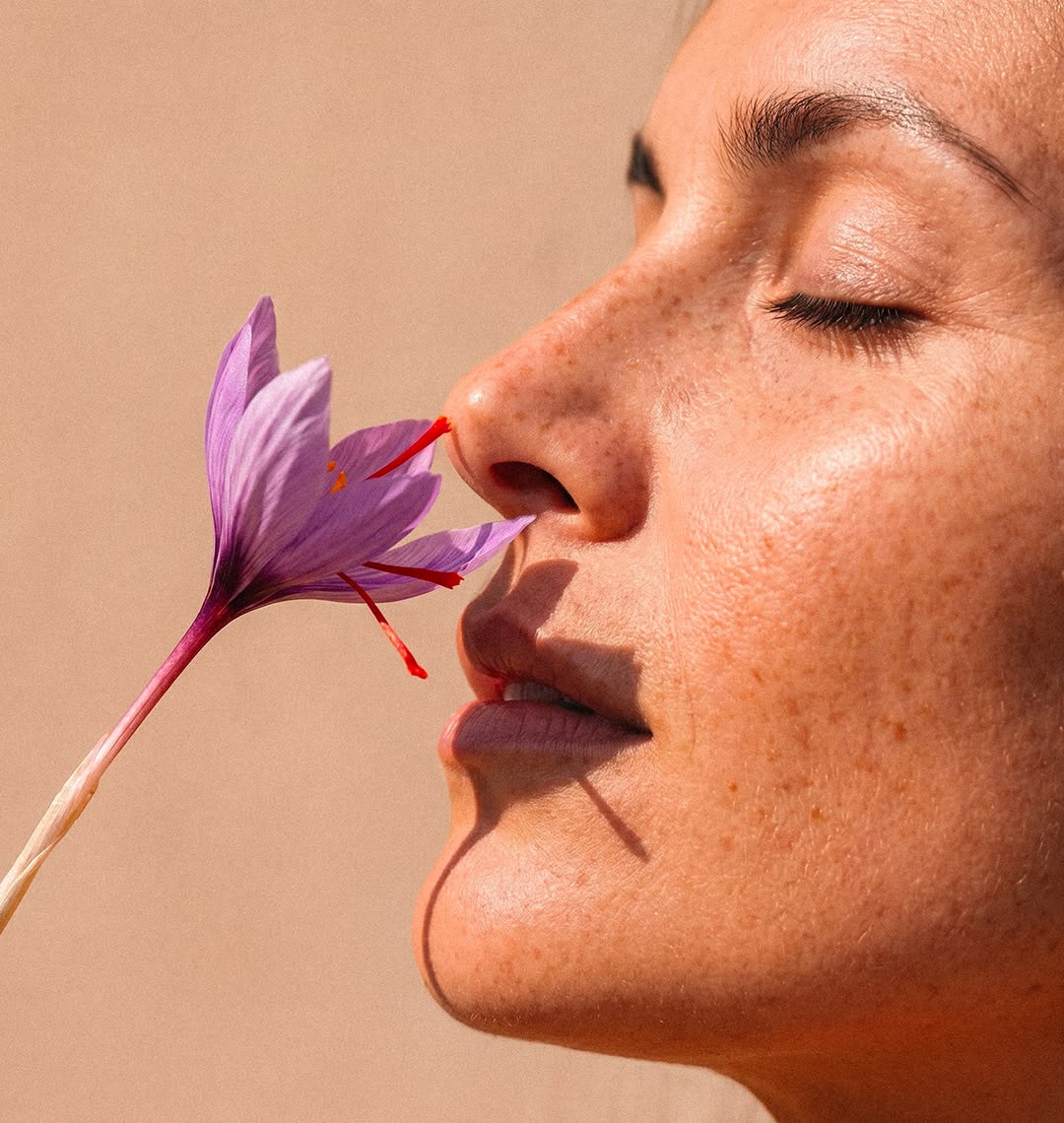
What we can’t see also shapes how we feel
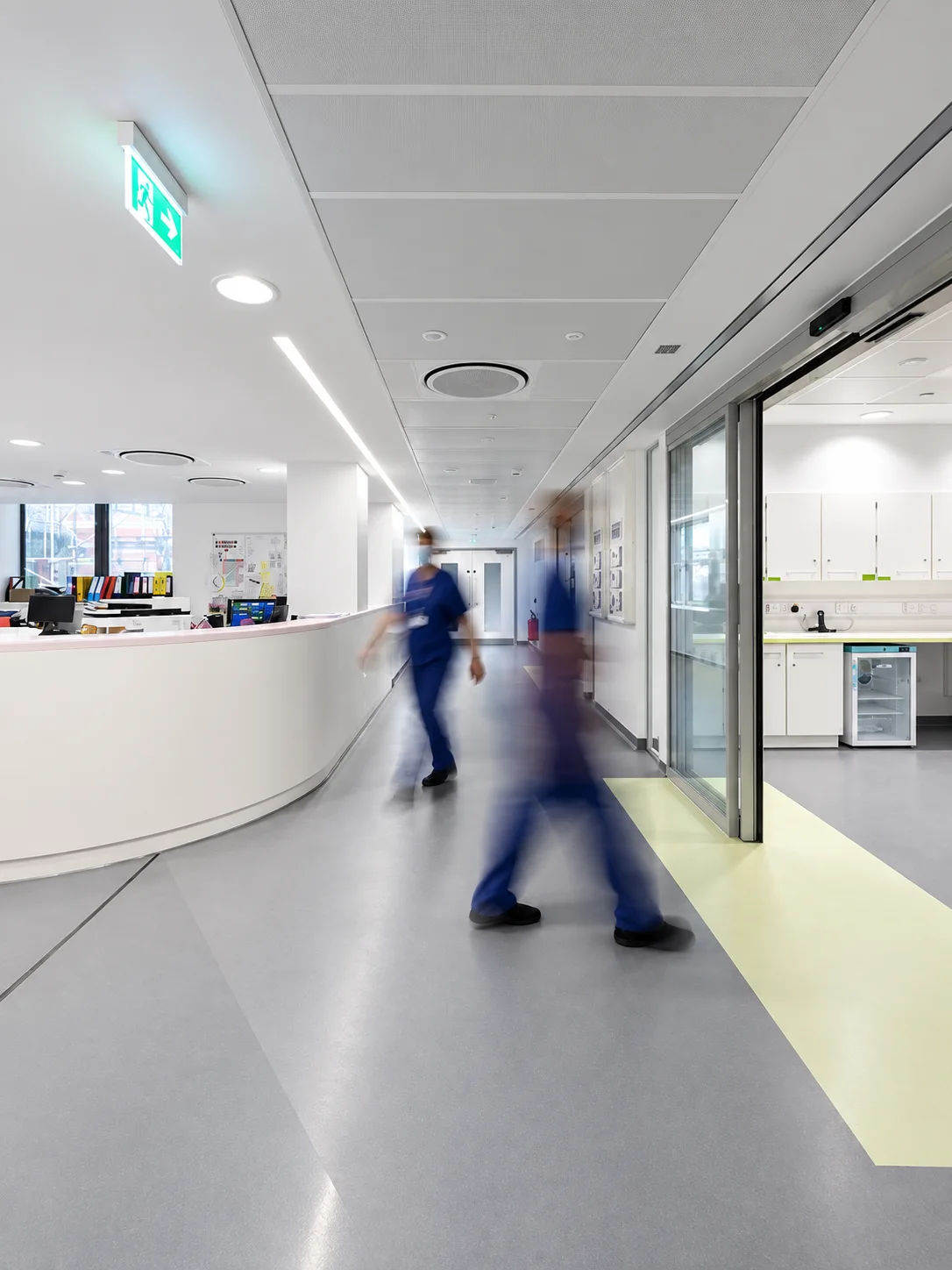
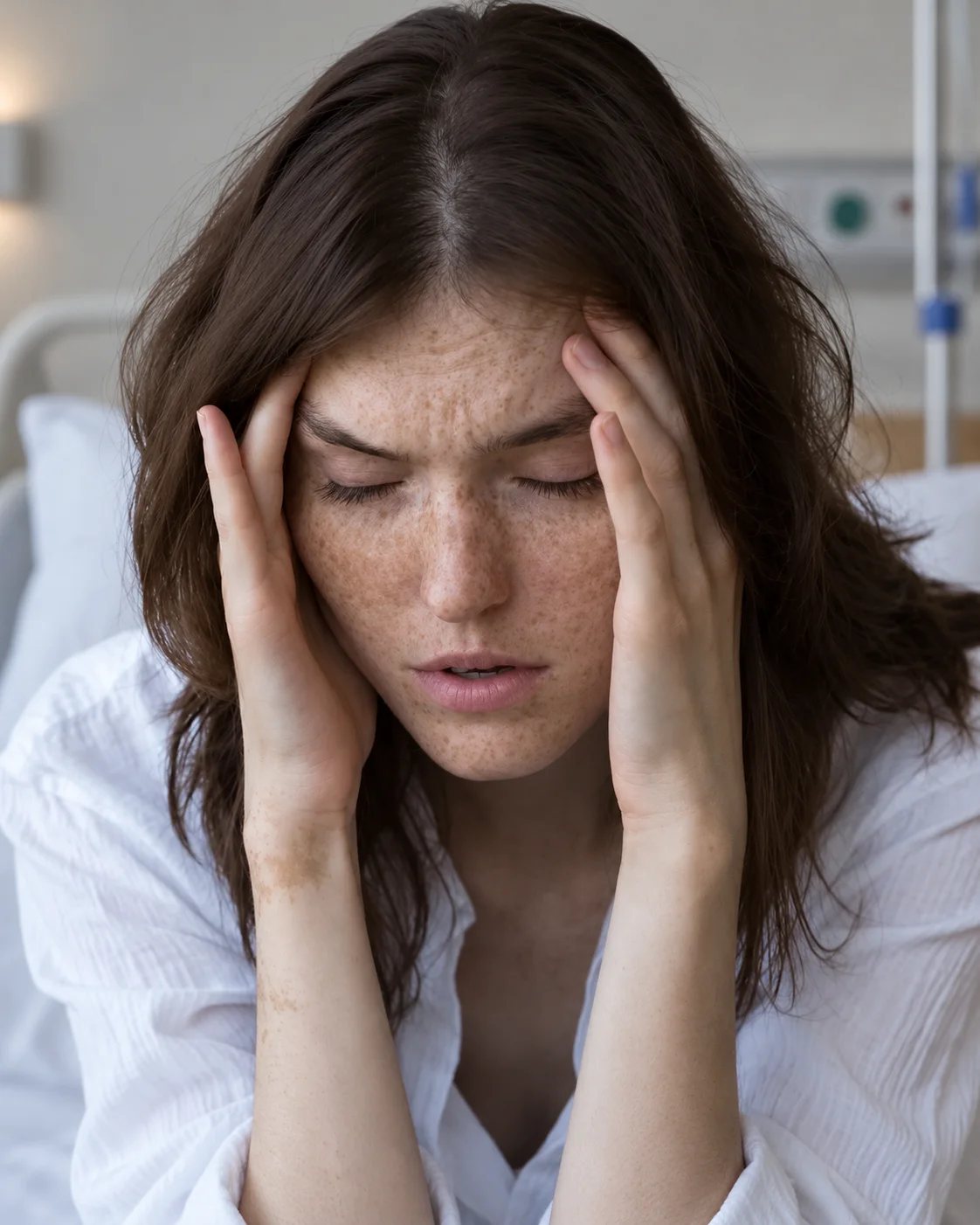
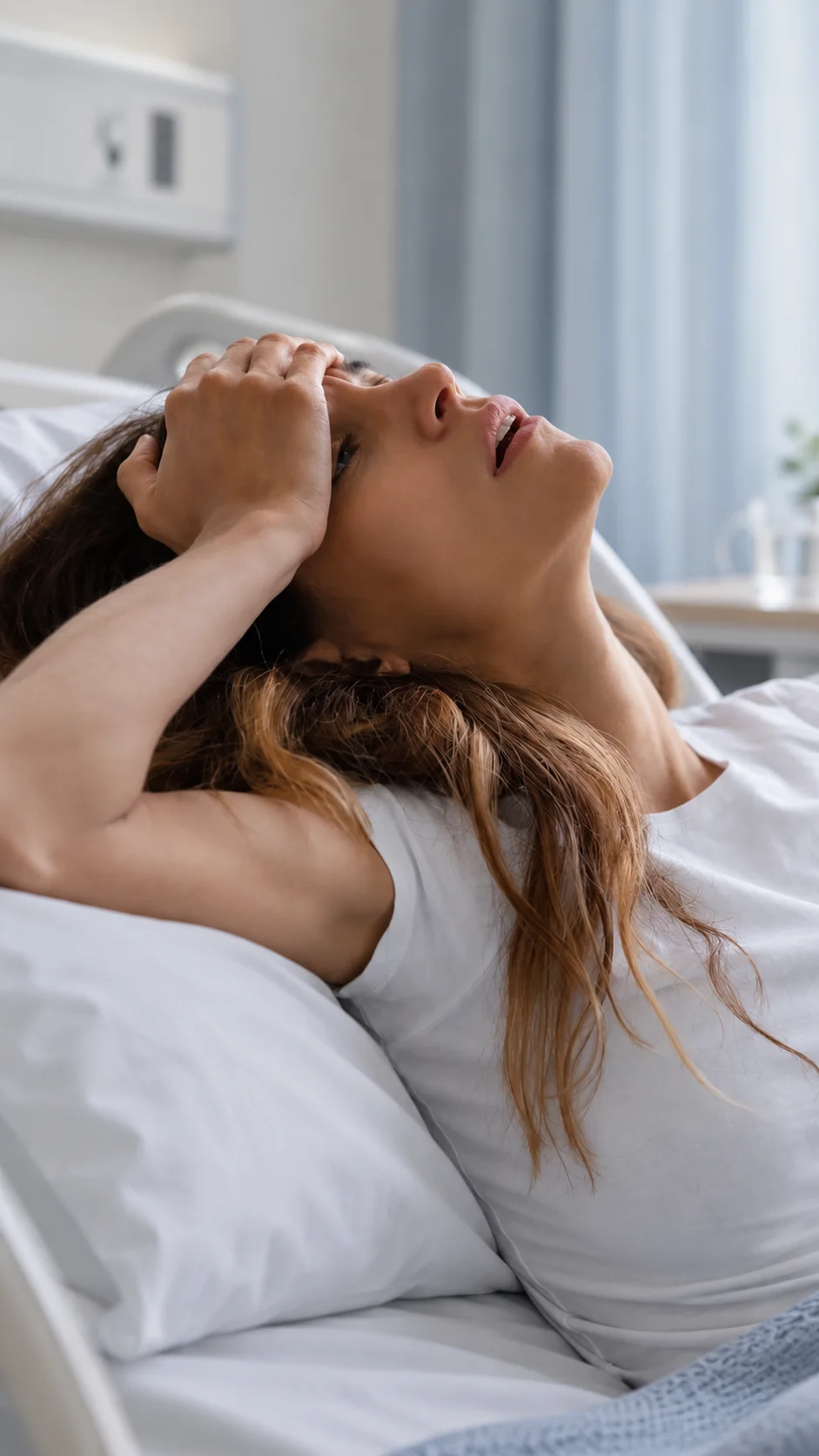
A hospital is full of stimuli. Some are unavoidable: alarms, artificial light, conversations and the smell of cleaning products. For an inpatient, all of this can heighten a sense of vulnerability that doesn’t always show up in the medical record.
It’s what we at NeumaCare call the patient’s invisible suffering: the emotional and environmental distress that comes with illness and also deserves attention.
In this context, it’s a fair question: can scent be used in a controlled way to improve the hospital experience?
What exactly is aromatherapy?
Aromatherapy is a complementary practice that uses plant-derived essential oils, usually inhaled or applied diluted to the skin. In this article we focus on inhaled aromatherapy, the form most relevant to care settings. National Center for Complementary and Integrative Health (NCCIH).
Our sense of smell is connected to brain networks involved in memory and emotion, which helps explain why a familiar scent can stir strong feelings. But that biological connection, on its own, doesn’t prove any therapeutic benefit. To judge that, we need to look at clinical trials.
What does the science say? Three promising areas
1. Anxiety and stress: encouraging but mixed results
A systematic review published in Complementary Therapies in Clinical Practice (2023) included 76 clinical studies with 6,539 participants on inhaled aromatherapy for stress and anxiety in clinical settings. Around 70% of the studies reported some favourable result after the intervention.
It’s an interesting figure, but it doesn’t mean “aromatherapy works for 70% of patients”: it’s the share of studies with positive results, and the protocols, oils and measures they used varied widely.
Key fact: 76 studies and 6,539 participants; promising results, but no universally validated protocol. Source: Complementary Therapies in Clinical Practice.
2. Sleep quality: a possible benefit in critically ill patients
A 2023 systematic review of intensive care patients brought together 26 studies and 2,176 participants. The researchers concluded that aromatherapy might reduce anxiety and improve sleep.
However, they rated the certainty of the evidence as low for anxiety and very low for sleep. Most of the studies were at risk of bias, and their results didn’t always agree.
Key fact: 26 studies and 2,176 ICU patients; low certainty of evidence for anxiety and very low for sleep. Source: Intensive and Critical Care Nursing.
So the responsible conclusion is that there’s an interesting clinical hypothesis, not proven effectiveness for every patient.
3. Post-operative nausea: results still uncertain
Aromatherapy has also been studied after surgery. A 2018 Cochrane review analysed 16 studies with 1,036 participants.
Overall, it didn’t clearly show a reduction in nausea severity compared with placebo. Some studies suggested less need for rescue anti-nausea medication, but the certainty of that finding was low.
So it wouldn’t be rigorous to present aromatherapy as a proven treatment for post-operative nausea, or as an alternative to the medicines prescribed for it.
What we know
- A large share of studies on inhaled aromatherapy in clinical settings report some favourable result on stress and anxiety.
- In intensive care patients, aromatherapy might reduce anxiety and improve sleep.
- Being plant-derived doesn’t make a substance harmless.
What we don’t know yet
- Which protocol works: the oils, doses and measures used in the studies vary widely.
- Whether the benefit on sleep is consistent: the certainty of the evidence is very low.
- Whether it reduces the severity of post-operative nausea compared with placebo.
- Whether it can replace prescribed medical treatments: there isn’t enough evidence.
Which scents have been studied most?
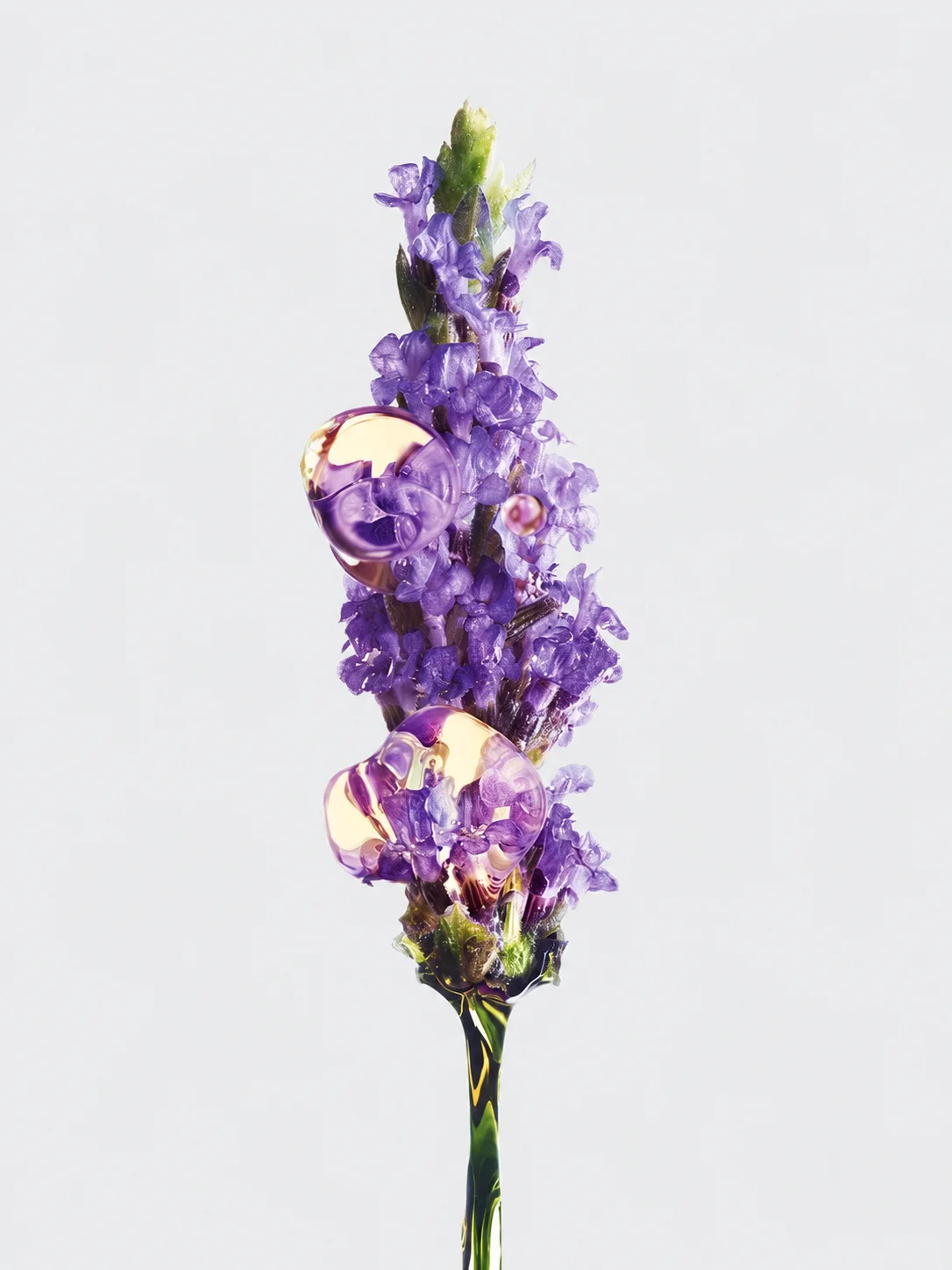
Lavender, rose and some citrus scents are among the most researched in studies on stress and anxiety. Even so, there’s no universally relaxing scent: preferences, personal memories, the strength of the stimulus and the clinical situation all shape the experience.
A scent one person finds pleasant may be unpleasant for someone else. In a hospital, personalising also means knowing when not to use any scent at all.
Aromatherapy in hospital: safety comes first
Being plant-derived doesn’t make a substance harmless. Fragrances can be bothersome or trigger symptoms in sensitive people, so particular caution is needed with asthma, allergies, sensitivity to smells, nausea or certain respiratory conditions.
Before bringing a scent-based intervention into a healthcare setting, you need to consider at least:
- Consent and preferences: offer the experience, never impose it.
- Clinical assessment: identify contraindications and individual sensitivities.
- Environmental control: keep diffusion to the intended space and avoid exposing other patients or staff without them knowing.
- Intensity and duration: use cautious, supervised protocols, without assuming that “more scent” is better.
- Hygiene and operations: check that it fits the facility’s ventilation, infection control and safety protocols.
The NCCIH points out that the uses of aromatherapy still need more rigorous research. In hospitals, any proposal should be validated before it is rolled out widely.
From room fragrance to a mindful sensory experience
The future of scent-based interventions shouldn’t be about perfuming rooms indiscriminately, but about exploring sensory experiences that are contextual, personalised and controllable.
That’s where a broader vision makes sense: combining sound, light and scent to respond to the moment of care, the patient’s preferences and the clinical team’s needs. On sound, you can read what research says about the benefits of music for hospitalised patients.
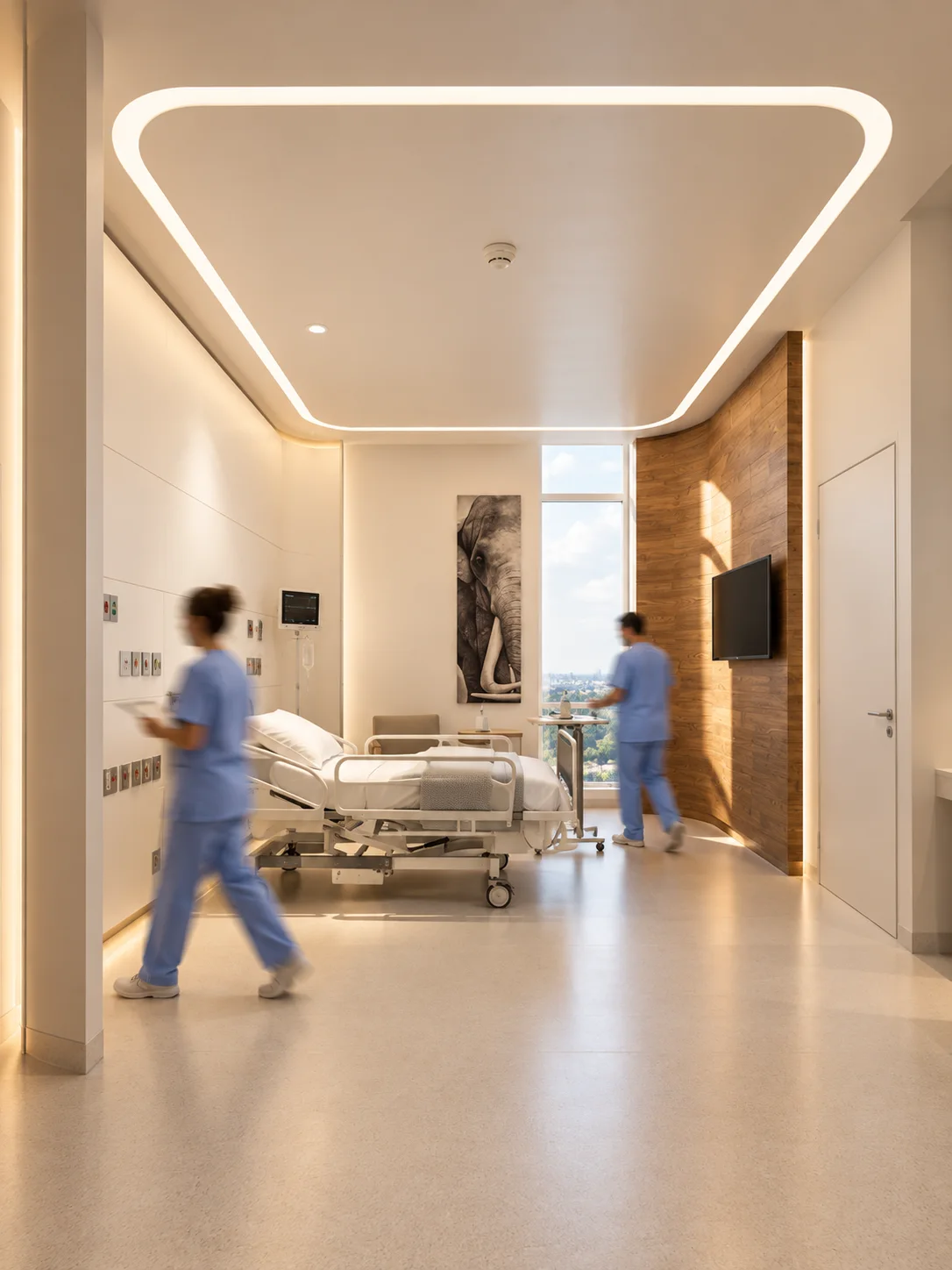
At NeumaCare we work to turn the hospital environment into an active part of care, through sensory technology and ambient intelligence. Our aim is to support patient wellbeing with non-pharmacological interventions that are measurable, safe and validated in real settings.
The question isn’t whether a scent can cure an illness, but whether a better-designed environment can help people go through care in a better way.
Frequently asked questions about aromatherapy in hospitals
Does aromatherapy reduce patients’ anxiety?
Some studies show reductions in perceived anxiety, but results vary and the scientific certainty isn’t consistent. It’s a complementary intervention, not a substitute treatment.
Can aromatherapy help you sleep better in hospital?
There are favourable preliminary results, including studies in intensive care units, but it can’t yet be said to work consistently for every patient.
What’s the best scent for relaxing?
There isn’t a universal one. Lavender is among the most studied, but the response depends on preferences, the clinical context and individual tolerance.
Is it safe to use aroma diffusers in a hospital?
They shouldn’t be introduced without clinical, technical and environmental-control assessment. Shared diffusion can expose other people involuntarily and isn’t the same as a controlled individual intervention.
Can aromatherapy replace medication for anxiety or insomnia?
No. There currently isn’t enough evidence to recommend it as a general substitute for prescribed medical treatments.
Scientific references
- Hedigan F, Sheridan H, Sasse A. (2023). Benefit of inhalation aromatherapy as a complementary treatment for stress and anxiety in a clinical setting – A systematic review. Complementary Therapies in Clinical Practice, 52, 101750. https://doi.org/10.1016/j.ctcp.2023.101750.
- Tan JXJ, Cai JS, Ignacio J. (2023). Effectiveness of aromatherapy on anxiety and sleep quality among adult patients admitted into intensive care units: A systematic review. Intensive and Critical Care Nursing, 76, 103396. https://doi.org/10.1016/j.iccn.2023.103396.
- Hines S, Steels E, Chang A, Gibbons K. (2018). Aromatherapy for treatment of postoperative nausea and vomiting. Cochrane Database of Systematic Reviews, CD007598. https://doi.org/10.1002/14651858.CD007598.pub3.
- National Center for Complementary and Integrative Health (NCCIH). Aromatherapy. https://www.nccih.nih.gov/health/aromatherapy.