When the hospital becomes overwhelming: understanding sensory overload
Alarms, light, smells, physical contact and repeated interruptions can become overwhelming. Recognising that experience can improve care, but it must never replace clinical assessment.

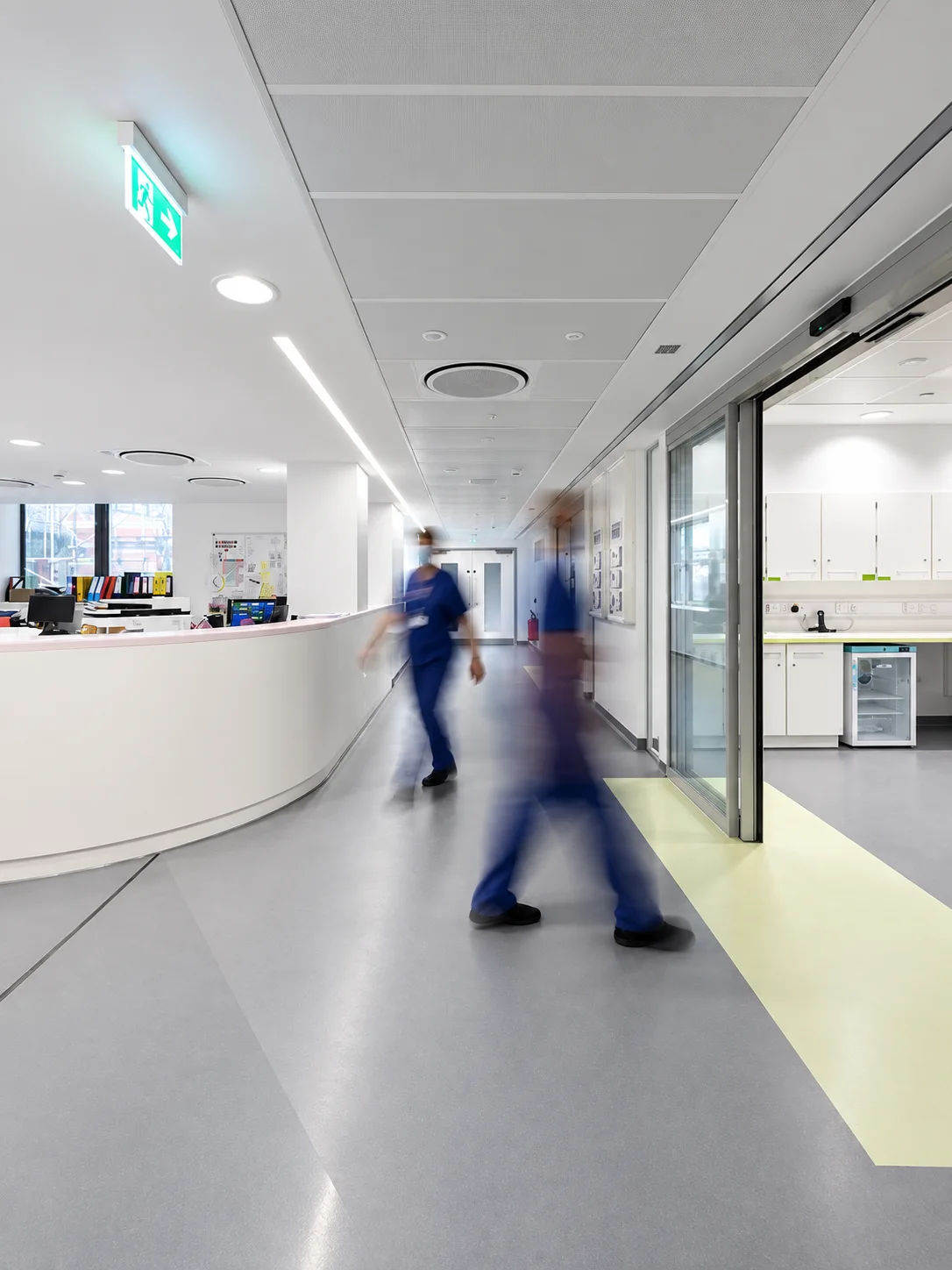
An alarm sounds. The corridor light spills into the room. A trolley passes, a door opens and a conversation starts at the next bed. Just as sleep returns, it is time for another set of observations.
Each event is ordinary in a hospital. Together, they may become difficult to filter—especially for someone who is in pain, frightened, exhausted or acutely unwell. Illness can leave patients with far less capacity to adapt to their surroundings.
The term hospital sensory overload offers a useful way to describe this experience and recognise some of the invisible distress created by the care environment. It is not, however, a catch-all explanation for every change in behaviour.
What does sensory overload mean?
Sensory overload describes a temporary mismatch: the volume, intensity, combination or unpredictability of incoming stimuli exceeds a person’s ability to filter and regulate their response.
It is not a sign of weakness, nor is it a standalone hospital diagnosis with universally accepted criteria. It is a descriptive concept that can help teams ask better questions, identify triggers and make care more tolerable.
Raw intensity is only part of the picture. An unexpected alarm, unexplained touch or interruption with no clear endpoint may feel more intrusive than a steady stimulus. Predictability and control matter too.
Hospitals stimulate every sense
Overload is rarely caused by one thing. It builds in layers:
- Sound: alarms, phones, conversations, doors, trolleys and activity around other patients.
- Light and movement: glare, screens, bright nights and people repeatedly entering the room.
- Smell and touch: cleaning products, food, bodily fluids, dressings, lines and physical examinations.
- Care rhythms: observations, procedures, visitors and handovers that repeatedly demand attention and break up rest.
A systematic review of 72 studies identified conversations and medical alarms as common sources of hospital noise. A separate review of 229 inpatient sleep studies found that noise, light and care interruptions sit alongside pain and anxiety. The environment matters, but it is only one part of a complex clinical picture.
What can it look like?
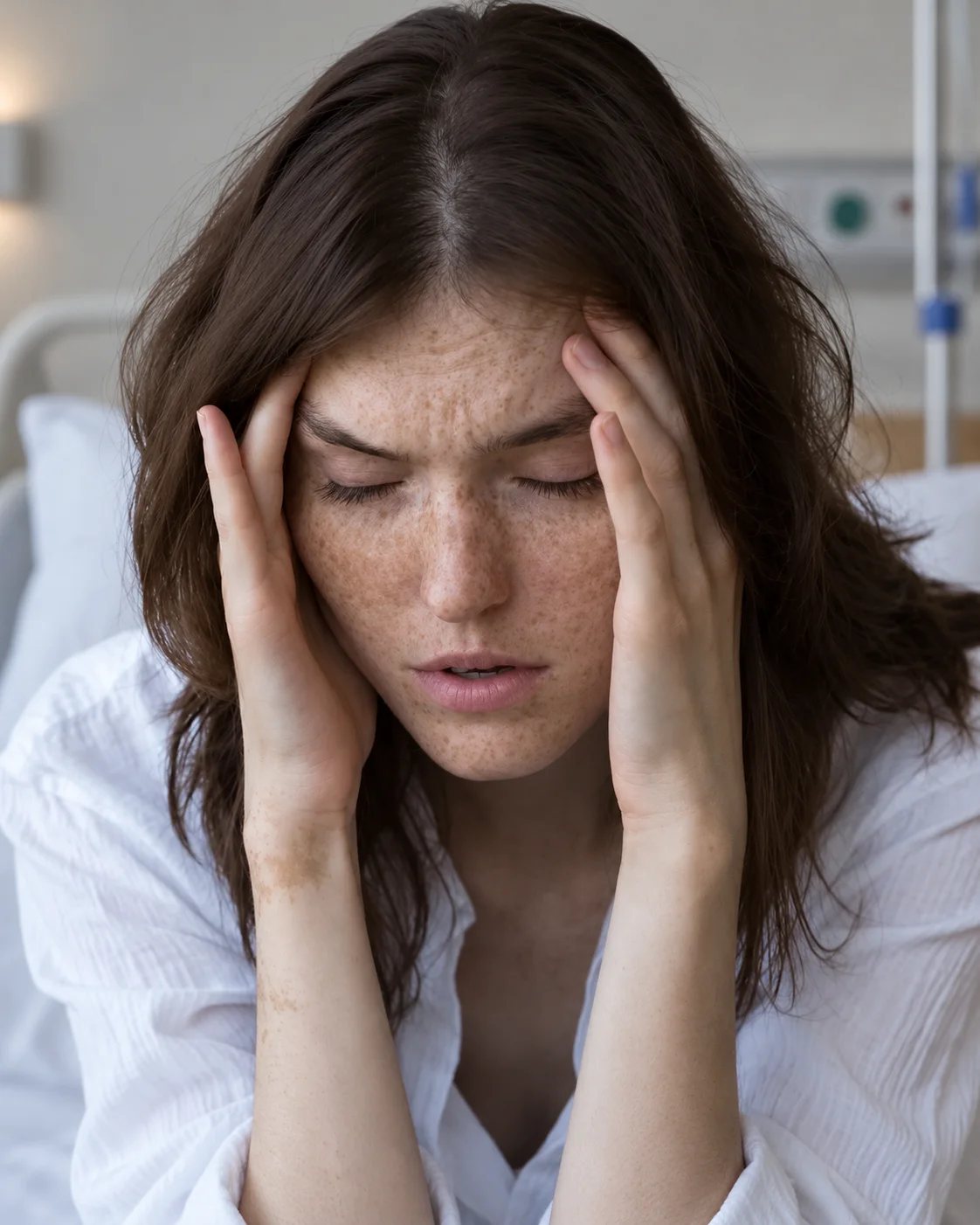
A patient may become irritable or startled, cover their ears or eyes, struggle to follow a conversation, stop speaking, withdraw or become agitated. They may report exhaustion, headache, nausea or an inability to settle.
None of these signs is specific to sensory overload. Pain, fear, sleep loss, medication effects, migraine, hypoxia or infection can look similar. Adjusting the environment may help, but the first question must also be: does this change need clinical assessment?
Sensory overload is not the same as anxiety or delirium
Anxiety can make the environment harder to tolerate, and feeling overwhelmed can increase anxiety, but the two are not interchangeable. Delirium is different again: it usually involves a recent, fluctuating change in attention, awareness or cognition.
New confusion, disorientation, unusual drowsiness, hallucinations or marked inattention should be escalated to the care team. NICE guidance recommends appropriate assessment when these changes appear. They should never be dismissed as noise, stress or sensory overload.
Some patients may need more adaptation
Anyone can become overwhelmed, and tolerance can change from hour to hour. Critical illness, pain, poor sleep and communication difficulties may reduce coping capacity. Older people with cognitive, visual or hearing impairment may also lose important cues that help them understand the environment.
For some autistic and otherwise neurodivergent people, particular sounds, lights, proximity or touch can be especially difficult. A study involving autistic adults described sensory barriers that interfered with healthcare communication. The answer is not to assume what someone needs; it is to ask, observe and personalise.
Five principles for safer sensory care
1. Find the real trigger
Ask what is difficult, what helps and how the patient prefers to communicate. When they cannot answer, look for patterns and involve relatives or carers. Make sure glasses, hearing aids and other supports are available and working.
2. Remove avoidable input—not safety signals
Close doors gently, move unnecessary conversations away from the bedside, use task lighting and manage alarms within clinical protocols. Never silence essential alarms, reduce required monitoring or create darkness that increases the risk of falls or medication errors.
Do not introduce scents without considering preferences, nausea, allergies, asthma or other respiratory sensitivities, and always follow local policy.
3. Make care predictable
Introduce yourself, explain before touching and break information into clear steps. Bundling tasks may reduce disruption when clinically appropriate, but predictability must never delay urgent care.
4. Offer small choices and genuine pauses
Control over a blind, light, door, volume, visitor numbers or a quiet interval can make a meaningful difference. Earplugs, eye masks and headphones are not suitable for everyone and must not prevent communication, orientation or safe observation.
5. Change, measure and adjust
Alter one element, then review comfort, sleep, communication and safety. In one ICU sound-reduction study, alarm numbers fell substantially, but overall sound levels and perceived sleep did not improve. Complex environments rarely respond to a single fix.
The goal is not a stimulus-free room
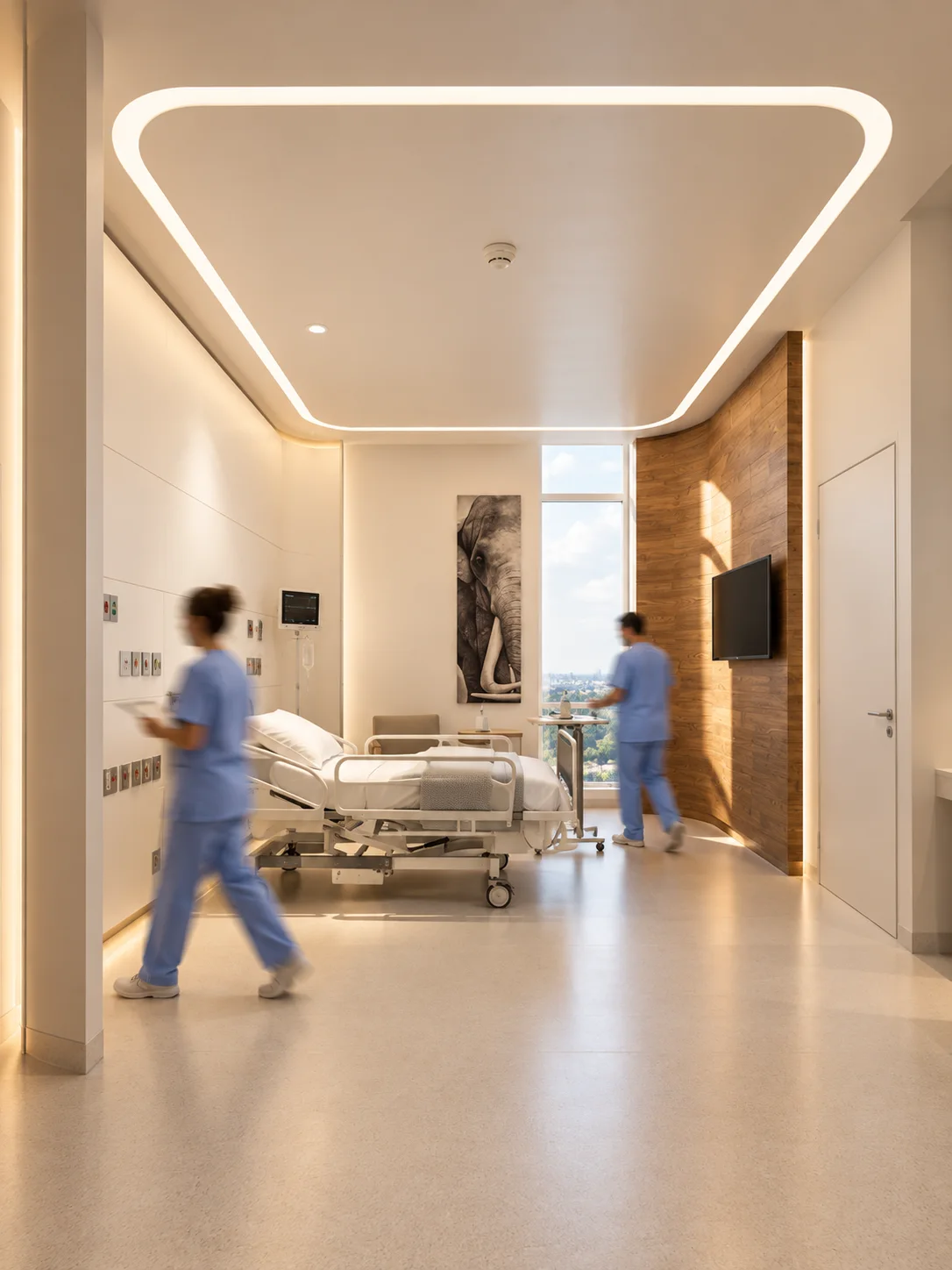
The answer is not to remove everything: patients still need daylight, orientation, conversation, human contact and mobilisation. The aim is the right input, at the right time, for the right person.
Research links the sensory environment with sleep, distress and the experience of care. It does not yet show that reducing overload alone shortens admission, reduces medication or speeds clinical recovery. A review of 50 ICU studies found mixed results for environmental interventions and delirium.
Humanising a hospital is not about making claims the evidence cannot support. It means removing avoidable burden, protecting safety and making care more understandable. Through NC-Healthcare, NeumaCare explores how sound, light and scent can be managed as an adaptable whole. If your organisation would like to assess a pilot with measurable outcomes, get in touch.
Frequently asked questions
Is hospital sensory overload a diagnosis?
Not as a general standalone clinical diagnosis. It is a descriptive term for feeling overwhelmed when a person cannot filter or regulate incoming stimuli at that moment.
How is it different from delirium?
Sensory overload may lead to distress, withdrawal or agitation. Delirium involves an acute, fluctuating change in attention and cognition and needs clinical assessment. New confusion, disorientation or altered consciousness should be reported to the care team.
Can reducing stimulation speed recovery?
That has not been established. Some measures show promising effects on comfort or sleep, but they have not independently proved that they reduce medication, prevent delirium or shorten hospital stays.
What can relatives do?
Ask what helps, speak one at a time, explain before touching, avoid several simultaneous inputs and share the person’s usual preferences with staff. Relatives should not adjust alarms, clinical equipment or medical devices.
Sources and further scientific reading
- Bayramzadeh S, Ahmadpour S, Aghaei P. (2021). The relationship between sensory stimuli and the physical environment in complex healthcare settings: a systematic literature review. Intensive and Critical Care Nursing.
- Pazani-Kohaki M, Yazdanfar SA, Lohrasbi L. (2026). A systematic review of noise pollution in hospitals. The Journal of the Acoustical Society of America.
- Burger P et al. (2023). How to improve inpatient sleep in regular care wards: a systematic review and meta-analysis of sleep disturbers and non-pharmacological interventions. Acute Medicine.
- Sonoda N, Furuki H, Morimoto A. (2025). Impact of environmental noise on inpatient outcomes: a scoping review. Worldviews on Evidence-Based Nursing.
- Wilcox ME et al. (2024). Intensive care unit interventions to promote sleep and circadian biology in reducing incident delirium: a scoping review. Thorax.
- Strömberg M et al. (2022). Experiences of sensory overload and communication barriers by autistic adults in health care settings. Autism in Adulthood.
- Tronstad O et al. (2024). The introduction of a sound reduction bundle in the intensive care unit and its impact on sound levels and patients. Australian Critical Care.
- National Institute for Health and Care Excellence. (updated 2023). Delirium: prevention, diagnosis and management in hospital and long-term care.