Sleeping in hospital: which non-drug interventions have the strongest evidence?
Hospital sleep has many causes, and no single aid works for everyone. Evidence favours combining better overnight organisation, comfort and personalised environmental measures without delaying essential care.

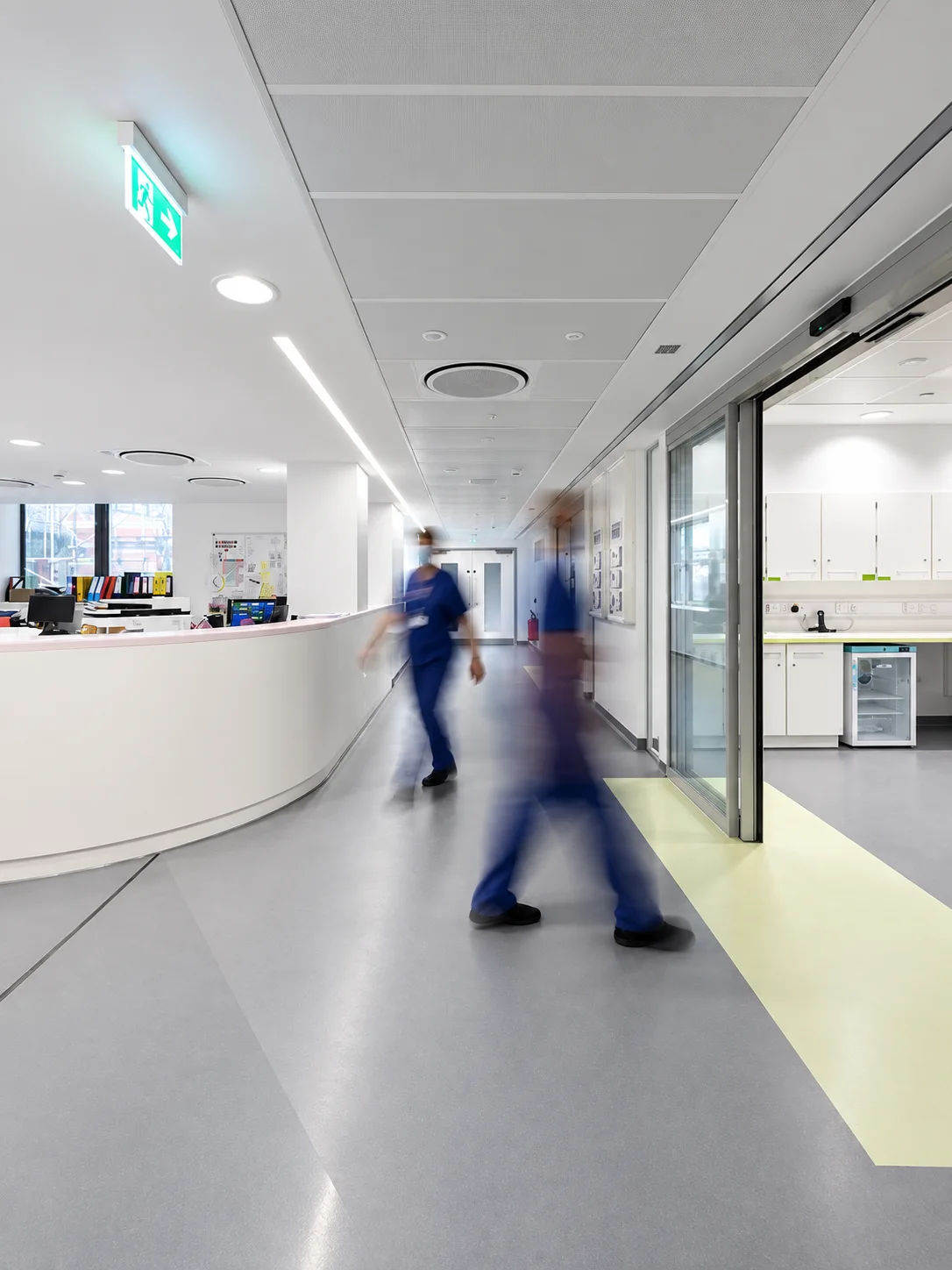
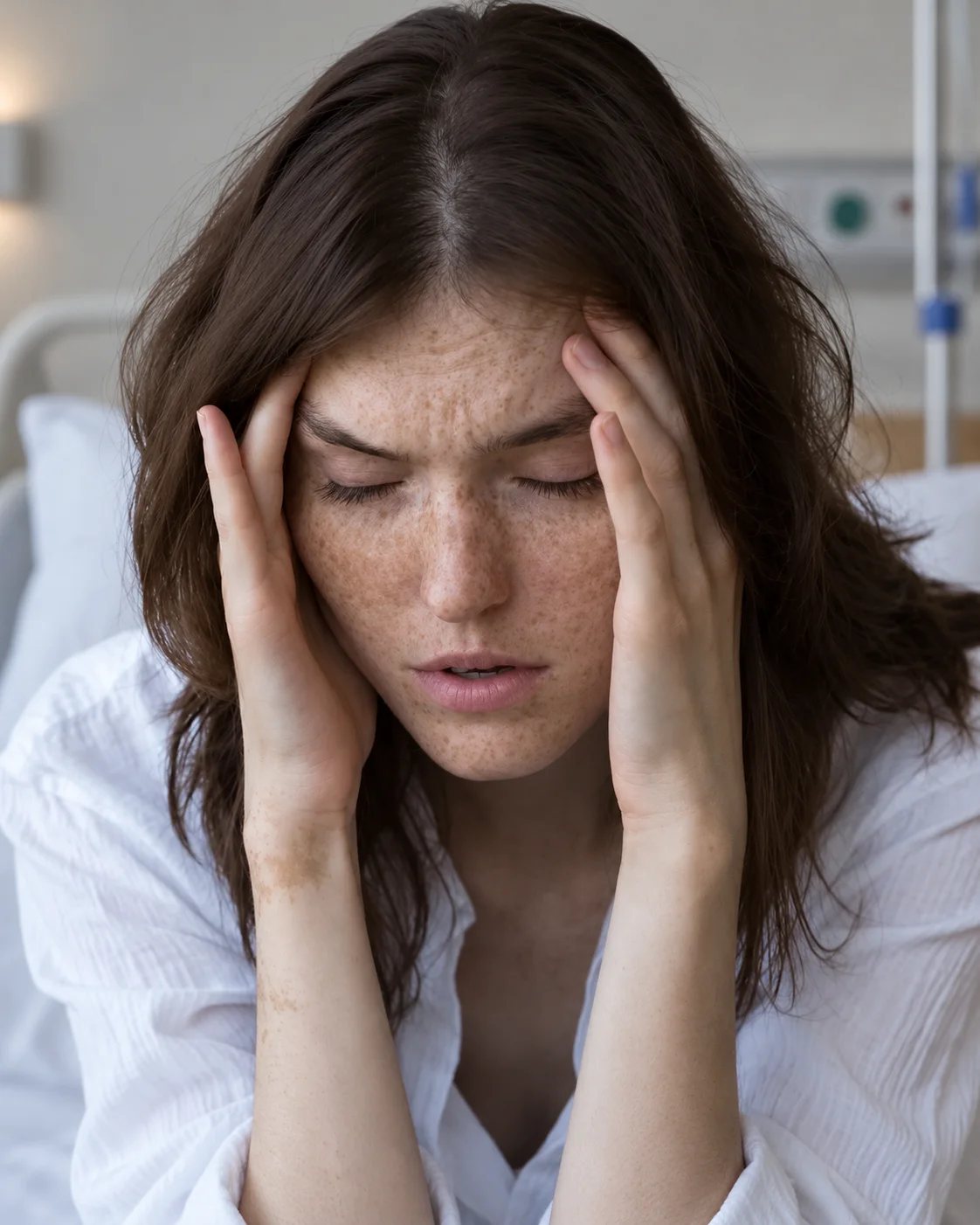
Hospitals are designed to deliver continuous care, not uninterrupted sleep. Pain, breathlessness, worry, unfamiliar surroundings, alarms, light and overnight observations can all break up a patient’s night. That makes inpatient sleep a systems problem rather than something one eye mask or playlist can fix.
The most defensible approach is to identify each patient’s main sleep disruptors, remove avoidable ones and combine several low-risk measures without compromising essential care.
What the evidence can—and cannot—tell us
Systematic reviews often report better patient-rated sleep, but the underlying studies vary widely in population, intervention and outcome measurement. The 2024 Acharya et al. review included 59 studies and judged much of the evidence to be at moderate or high risk of bias. Patient partners also stressed that hospital sleep disruption is usually multifactorial.
A better sleep score matters, but it should not be translated into unsupported promises. Current evidence does not establish that these interventions speed recovery, shorten length of stay, reduce medication use or prevent delirium.
Where should a hospital start?
1. Use a tailored bundle and protect a sleep window
A multicomponent programme can combine comfort and pain review, a defined quiet period, clustering of non-urgent tasks, fewer avoidable room entries, lower light and conversation levels, and a review of medication or blood-test schedules. Its strength lies in addressing several sources of disruption together.
The WEsleep cluster-randomised trial enrolled 291 medical-ward patients and combined staff training, schedule review, an offer of earplugs and eye masks, and an evening sleep round. Subjective sleep quality improved, but sleep quantity, delirium and mortality did not differ significantly, and implementation was incomplete. A bundle can help without removing every driver of wakefulness.
“Protected” never means unmonitored. Neurological observations, respiratory assessment, time-critical treatment, urgent tests and any response to deterioration must continue.
2. Reduce noise and light at source, then offer sleep aids
Quiet voices, closing doors gently, well-managed equipment and task lighting directed away from the bed can help the whole ward. Earplugs and eye masks may provide an additional layer. A review of 229 studies reported favourable findings for several measures, including eye-mask and earplug combinations, but certainty ranged from moderate to very low.
These aids should be optional, comfortable and easy to remove. They are unsuitable when they increase distress or disorientation, impede communication, or interfere with observation. Nor should “lights out” create a falls hazard. Patients may still need low-level orientation lighting, a clear route to the bathroom, an accessible call bell and staff assistance.
3. Make music and relaxation person-led
Soft music for a limited period before bedtime can provide a predictable cue and reduce mental arousal. A meta-analysis of ten randomised trials reported improved perceived sleep quality, but results varied considerably and objective sleep monitoring was rare.
Choice matters. The patient should approve the music, volume and delivery method, and still be able to hear staff. Slow breathing, guided imagery or progressive muscle relaxation may also help some people settle. None of these approaches treats pain, hypoxia, acute confusion or another clinical cause of poor sleep. A playlist is not music therapy, which is delivered by a qualified professional.
4. Rebuild the contrast between day and night
Supporting night-time sleep begins in daylight hours. Opening blinds, providing sufficient daytime light, maintaining familiar meal times and encouraging appropriate social and physical activity can strengthen time cues. A systematic review of hospital light interventions found promising effects on sleep and circadian outcomes, although protocols and populations were highly heterogeneous.
Sitting out of bed and mobilisation may support daytime engagement. They should not be presented as guaranteed sleep treatments. For a frail or haemodynamically unstable patient, activity must be adapted to clinical tolerance and supervised with falls risk in mind.
5. White noise and scent: options, not universal first-line care
Continuous sounds may mask peaks for some patients. A 2025 review found encouraging signals across seven trials and 496 hospitalised adults, but heterogeneity prevented meta-analysis. Volume must remain low and must never mask alarms or staff communication.
Aromatherapy has also been studied, but preparations and findings vary. Shared rooms require attention to patient preferences, asthma or respiratory sensitivity, nausea, allergy, exposure of other people and local policy. It is not a universal intervention and should not come before addressing pain, noise or avoidable interruptions.
Safety changes the plan
New inattention, agitation, unusual drowsiness or disorientation requires clinical assessment; it should not be dismissed as a bad night. NICE delirium recommendations place sleep hygiene within a broader multicomponent approach.
For people at risk of falling, dimming the room must be balanced with safe wayfinding and assisted toileting. For those with obstructive sleep apnoea, a quiet room is not treatment: prescribed PAP/CPAP, respiratory support and appropriate monitoring remain central.
A sensible pilot begins by asking patients what woke them and measuring perceived sleep, disturbance sources, acceptability and safety events. NeumaCare supports gradual, clinically governed sensory pilots with explicit stop criteria. To explore an evaluation in your organisation, get in touch.
Frequently asked questions
Which non-drug intervention works best?
There is no universal winner. A sensible practical starting point is a tailored bundle combining fewer avoidable interruptions, comfort, environmental control and aids the patient actually wants.
Are eye masks and earplugs safe for every patient?
No. They can help, but should be voluntary and easy to remove. Their use needs review if they cause distress, worsen disorientation or interfere with communication and observation.
Can better sleep prevent delirium?
That has not been established. Sleep protection can form part of a broader delirium-prevention approach, but it should not be presented as a stand-alone preventive treatment.
Should overnight observations or medicines be stopped?
Only the responsible clinical team can decide whether a task can be rescheduled or clustered. Time-critical treatment and monitoring must never be omitted for the sake of sleep.
Sources and further scientific reading
- Acharya R et al. (2024). Non-pharmacological interventions to improve sleep quality and quantity for hospitalized adult patients. BJS Open.
- Burger P et al. (2023). How to improve inpatient sleep in regular care wards. Acute Medicine.
- de Gans CJ et al. (2025). The effects of sleep improving interventions in medical hospital wards: the WEsleep study. European Journal of Internal Medicine.
- Jespersen KV, Hansen MH, Vuust P. (2023). The effect of music on sleep in hospitalized patients. Sleep Health.
- Lindskov FO, Iversen HK, West AS. (2022). Clinical outcomes of light therapy in hospitalized patients. Chronobiology International.
- Khandelwal K, Anyim A, Shu S. (2025). Impact and efficacy of sound machine on sleep in hospitalized adults. Sleep Medicine: X.
- Matsuura Y et al. (2026). Effects of non-pharmacological interventions on sleep in patients with critical illness. Scientific Reports.
- Shih CY et al. (2022). Comparative efficacy of nonpharmacological interventions on sleep quality in people who are critically ill. International Journal of Nursing Studies.
- National Institute for Health and Care Excellence. Delirium: prevention, diagnosis and management. NICE CG103.
- Society of Critical Care Medicine. PADIS guidelines.