
Can Music Heal? The Science Behind Music Therapy in Hospitals
Music can do far more than keep us company. Research suggests that certain music interventions may help ease anxiety, relieve pain and support rest in people staying in hospital. But what exactly does the scientific evidence say?
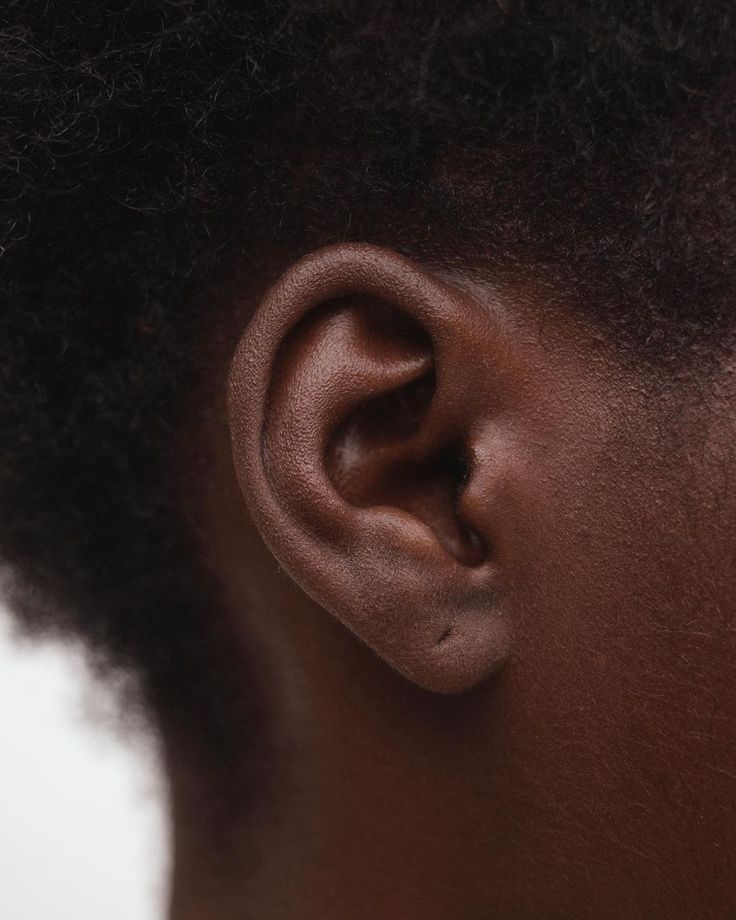
When the hospital itself causes distress
A person in hospital isn’t only living with an illness. They may also face noise, broken sleep, uncertainty and a sense of losing control. All of this feeds into what we at NeumaCare call the patient’s invisible suffering.
The question follows naturally: what if the hospital environment, as well as hosting care, could also help to provide it?
Among the non-pharmacological interventions studied, music stands out for how accessible it is and for the growing scientific interest in its potential benefits.
Music therapy and therapeutic music are not the same thing
Music therapy is a professional intervention based on the therapeutic use of music, within a process led by qualified practitioners. It can include listening, playing, improvising or other musical experiences.
A music intervention, on the other hand, can simply mean listening to selected music before an operation or during a rest period, without a music therapist necessarily being involved.
The distinction matters: a study of recorded music hasn’t automatically studied professional music therapy. You can read more about the concept at the World Federation of Music Therapy.
What does the science say? Three promising benefits
1. Less anxiety before surgery
A Cochrane review of music and preoperative anxiety included 26 clinical trials and 2,051 participants. Compared with standard care, patients who listened to music showed an average additional reduction of 5.72 points on the STAI-S anxiety scale.
The result is encouraging, but it needs context: several studies were at risk of bias, and a lower anxiety score doesn’t mean music can replace sedation or other treatments when they are needed.
Key fact: 26 trials, 2,051 participants and an average additional reduction of 5.72 points on the STAI-S. Source: Cochrane.
2. A possible complement to pain relief
Music interventions have also been assessed during procedures and around surgery. A systematic review published in 2024 in JMIR mHealth and uHealth identified 21 clinical trials of technology-assisted music interventions: 9 reported lower anxiety and 7 reported favourable results for pain.
These results do not mean every intervention works, or that music can replace painkillers. They suggest it can be part of a complementary approach centred on the patient’s experience.
3. Potentially better rest in hospital
Sleeping in hospital can be hard. A systematic review and meta-analysis in Sleep Health (2023) brought together 10 studies and 726 hospitalised patients. Music interventions improved subjective sleep quality compared with usual care.
In many of the studies, patients listened to gentle music for around 30 minutes in the evening. Even so, only one study used polysomnography, so evidence of objective changes in sleep is still limited.
Key fact: 10 studies and 726 patients; better perceived sleep, but still little evidence from objective measures. Source: Sleep Health.
Why can music make us feel better?
Music engages processes linked to emotion, attention, memory and reward. It can bring a sense of familiarity, draw attention away from unpleasant stimuli and make room for moments of calm.
But there’s no universally relaxing melody. What helps one person may bother another. That’s why individual preference, volume, timing and the care setting all matter.
It isn’t simply about putting music on: it’s about choosing the right sound experience for each person and each situation.
From playing music to designing environments that care
Technology is opening up new ways to bring music into hospitals. In the 2024 JMIR review, 13 of the 21 studies let participants choose the music, which strengthens the case for building personal preferences into the design of these interventions.
The next step could be to fold sound experiences into a broader environmental strategy, adapting them to night-time rest, to anxiety before a procedure or to other wellbeing needs. Clinical validation will be needed to show whether this automated personalisation adds benefits over conventional approaches.
What can’t we claim yet?
Taken together, the evidence is promising but mixed. Studies use different populations, durations, types of music and assessment tools, and results often rely on subjective perceptions.
Lowering anxiety is not the same as proving shorter hospital stays, less medication or a faster clinical recovery. Those hypotheses need research of their own.
What’s more, any sound intervention must respect the patient’s wishes, avoid uncomfortable volumes and never get in the way of communication or care.
Towards a new way of understanding care
If sound shapes how we feel, the hospital environment can hardly be treated as a mere backdrop.
At NeumaCare we work to turn the environment into an active part of care, combining light, sound and scent into sensory experiences tailored to each care setting. Our vision is to move towards ever more intelligent and proactive environments, always with clinical validation and the patient’s experience at the centre.
Because caring isn’t only about treating the illness. It’s also about keeping in mind how the person feels while they’re going through it.
Frequently asked questions
Can music therapy reduce anxiety in hospital?
Scientific reviews suggest music interventions can lower anxiety in some settings, especially before surgical procedures. The effects can vary from person to person and from one protocol to another.
Does listening to music help you sleep in hospital?
A meta-analysis of 10 studies found improvements in perceived sleep quality. More objective measures and high-quality studies are needed.
What kind of music is best for relaxing?
There’s no single answer. Personal preferences, volume, timing and the clinical situation all play a part.
Can music replace medication?
Not as a general rule. It can be a complementary intervention, but it doesn’t replace clinically indicated treatments.
Scientific references
- Bradt J, Dileo C, Shim M. Music interventions for preoperative anxiety. Cochrane Database of Systematic Reviews. 2013. DOI: 10.1002/14651858.CD006908.pub2.
- Jespersen KV, Hansen MH, Vuust P. The effect of music on sleep in hospitalized patients: A systematic review and meta-analysis. Sleep Health. 2023;9(4):441–448. DOI: 10.1016/j.sleh.2023.03.004. PubMed.
- Park S, Lee S, Howard S, Yi J. Technology-Based Music Interventions to Reduce Anxiety and Pain Among Patients Undergoing Surgery or Procedures: Systematic Review of the Literature. JMIR mHealth and uHealth. 2024;12:e48802. DOI: 10.2196/48802. Full text.